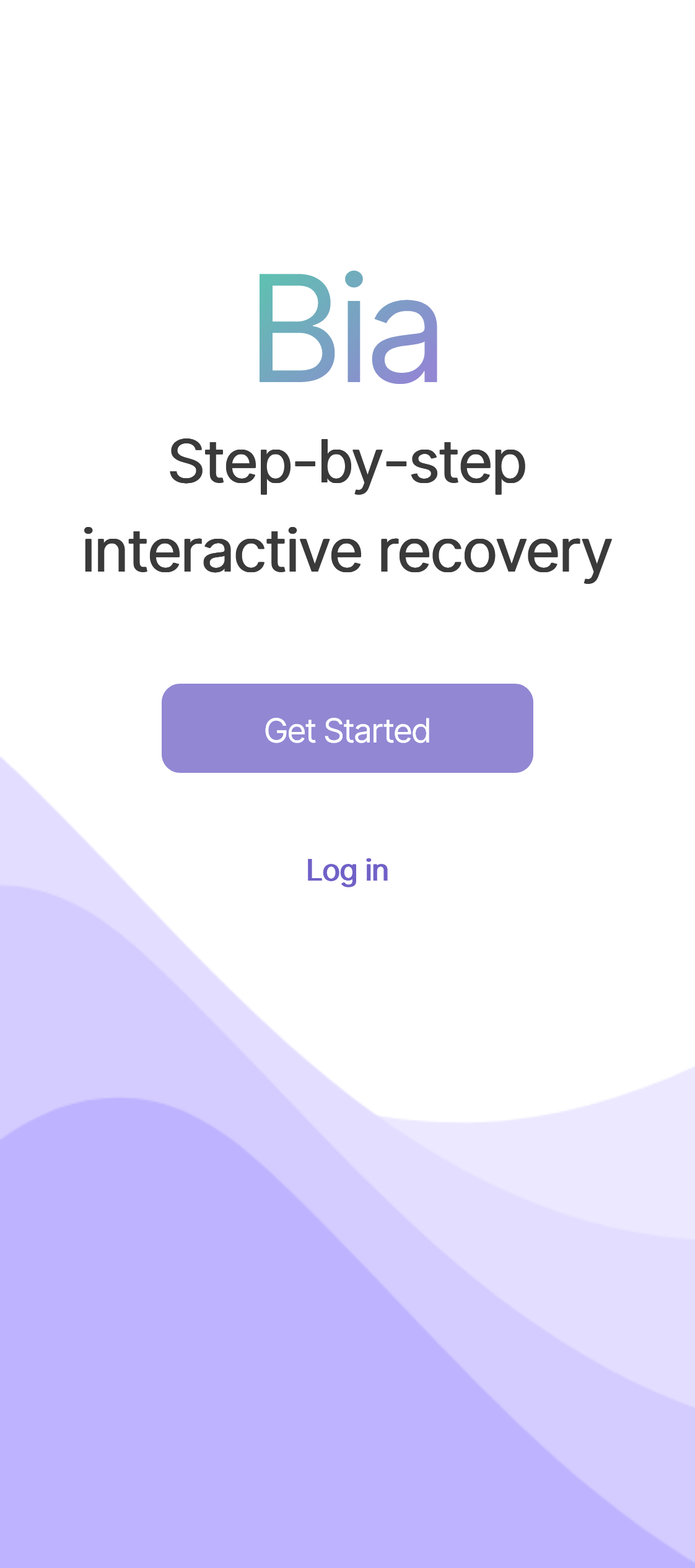
Bia guides exposure both in session and between them, with pre-built hierarchies, real-time adaptive exposure, and enforced clinical best practices.
Free to start. HIPAA compliant. You stay clinician of record.
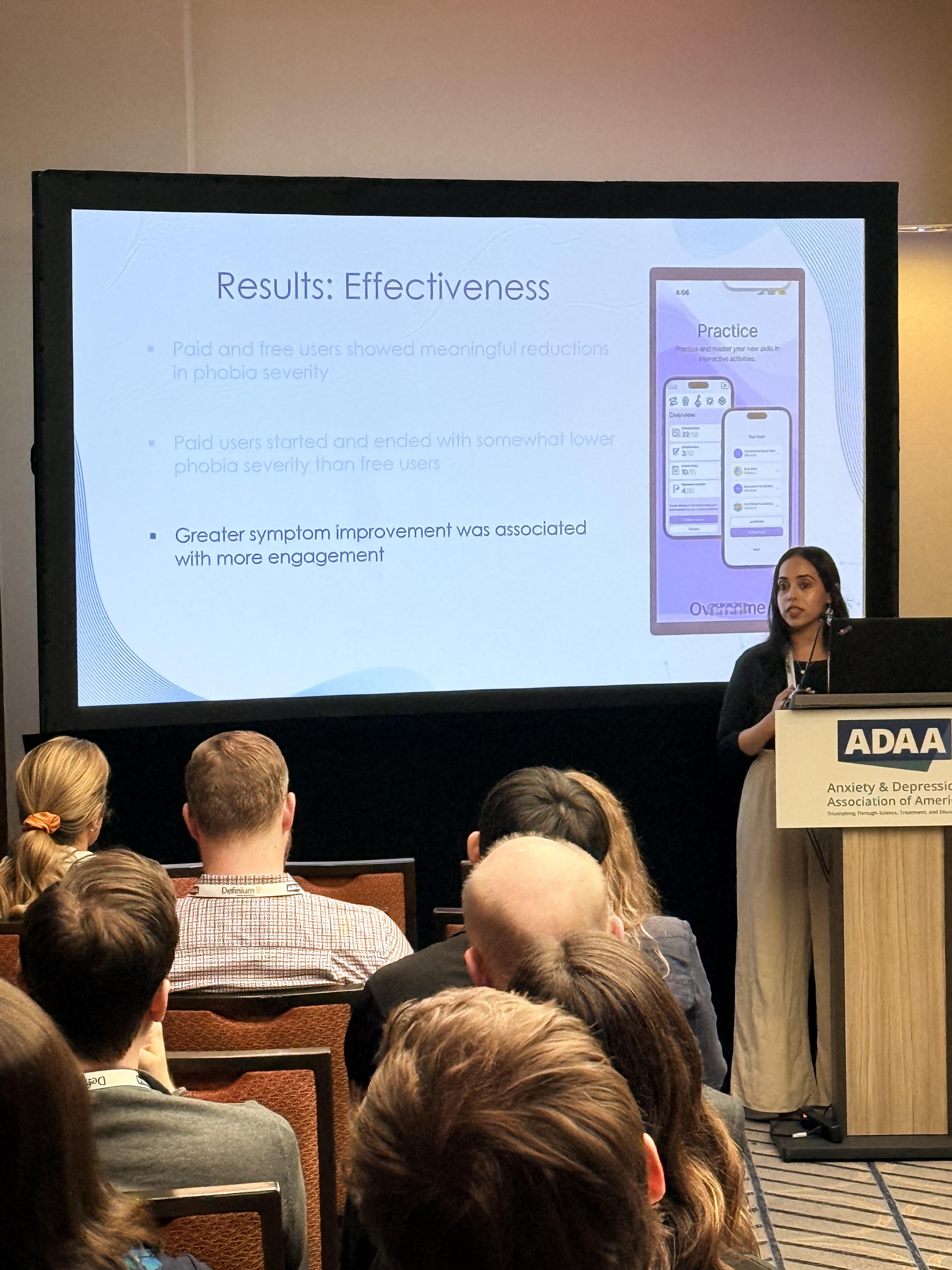
ADAA 2026 Symposium Presentation
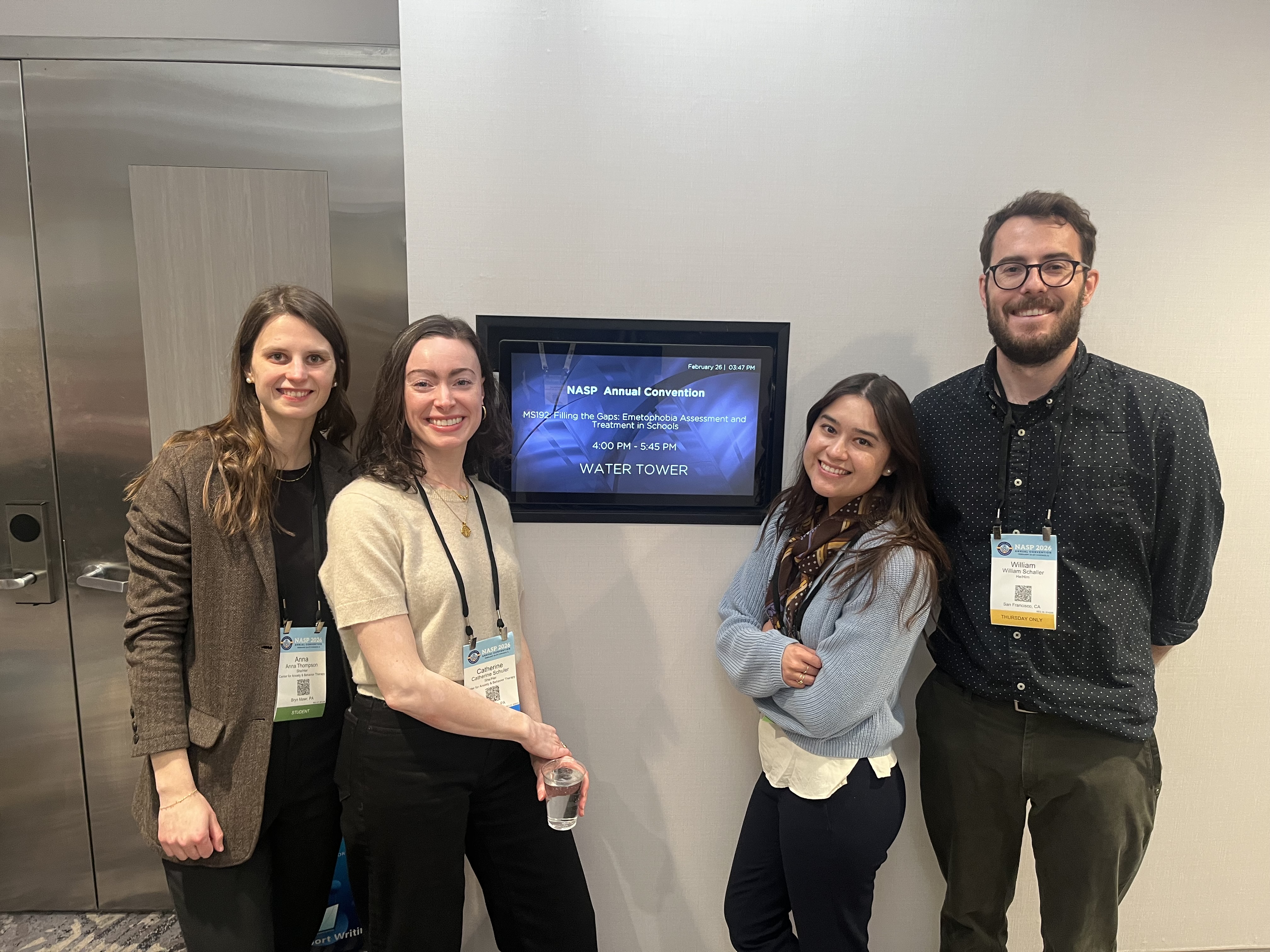
NASP 2026 Miniskills Presentation
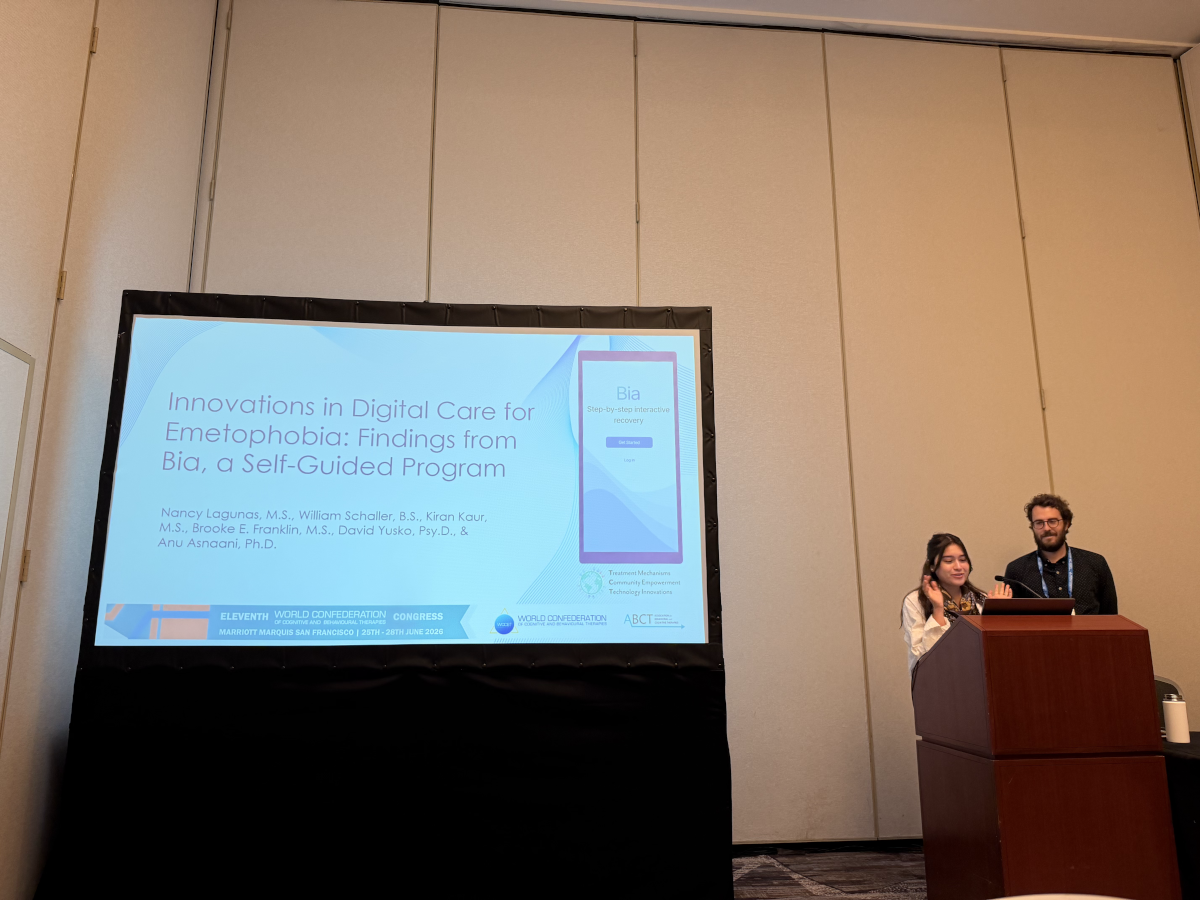
WCCBT 2026 Paper Talk
Every exposure a client completes is logged and scored in Bia. Bia automatically records symptom severity over time. Our data from 2 years shows highly effective results. You setup the tool and get reports of progress.
[1] Aggregate SMSP-A severity across Bia clients over the program (30.4 down to 10.0 on the 0 to 40 SMSP-A scale). [2] Average peak SUDS on a client's first Bia exposure (5.11) vs their twelfth (3.01), 0 to 10 scale. Results are not from a controlled trial; individual results vary.
"Bia provides an exceptionally well-organized, evidence-based framework that therapists can confidently integrate into their clinical work."
"A practical tool that helps make treatment more organized, engaging, and effective."
Get found by new clients, skip hours of prep, and keep treatment on track.
List your practice in the Bia directory and get matched with people actively searching for exposure therapy near them. No per-client fees.
A curated library of exposures and hierarchies across every condition, each written and clinically reviewed by our team, so you skip the prep and assign proven work in seconds.
Clients complete more exposure between sessions and Bia enforces clinical best practices during those sessions, so clients get more exposure that is more effective.
Our mission is to help people get exposure therapy and connect with the clinicians who can guide it. Bia routes the clients searching for exposure care to the therapists ready to provide it.
Thousands search Bia for a therapist each month. We show them your profile so they can book you in a few clicks. No fees, you own the relationship, and clients pay for the app (or you can cover it).
Subscribe and Bia is covered for your clients. In the directory they see "Bia is free when you start therapy with [your name]", so more clients reach out.
Listing your practice is free. A Provider plan improves the offer we can make to clients. You own the relationship with the client. No per-client fees.
Most exposure homework never gets done. The Bia client app is guided, engaging, and evidence-based, so clients keep working between sessions, and it shows in their adherence and results.
"Bia changed my life. It gives you small steps to take every day and tracks your progress. I'm not done, but I already feel so much better and am doing so much more."
"I can tell this was built by someone who had phobia. They get it. The app lets you customize and take a little placement quiz. You can pause or exit whenever and it's very careful and explains every step. Thank you for making this"
Also built in: practice reminders, safety-behavior tracking, interactive exposure games, and psychoeducation lessons.
Bia fits the way you already run exposure therapy, in session and between them.
Set up in minutes. Every account starts with a demo client, so you can explore hierarchies and run a full session before inviting anyone real.
Pick a pre-built exposure hierarchy or customize your own. Set guardrails and send to your client.
Clients complete exposures and log SUDS. You watch adherence and symptom severity in real time and adjust the plan as they progress.
You own the relationship with the client, you own your data. Our exposure content is designed and reviewed by real people, not AI.
Start free and let clients cover their own access, or go Provider for a single monthly rate covering 10 active clients. Add more as you grow.
Bia is built to pay for itself. We send incoming clients to your profile in the directory.
For emetophobia, Bia provides a graduated vomit-related exposure hierarchy (words, then images, then interoceptive nausea induction) you can assign, monitor, and adapt between sessions. Built-in response-prevention tracking gives you visibility into which avoidance and checking behaviors the client is dropping. SMSP-A is captured weekly so you can show measurable severity change at every session.
For agoraphobia, Bia builds the expanding-circles in-vivo exposure plan from wherever the client's safe zone currently sits, with safety-behavior reduction baked into each step. You see the ladder, you adjust step difficulty between sessions, and the client logs distress before, during, and after each exposure. Continuity of care without weekly clinic-only execution.
For panic disorder, Bia structures the interoceptive-exposure ladder (spinning, breath-holding, brief hyperventilation) into daily assignable sessions. Attack frequency and severity are tracked separately so you can see severity drop before frequency follows, the typical clinical pattern. Pair Bia with your between-session check-ins to keep exposure dosing on target.
For social anxiety, Bia structures behavioral experiments and graduated social exposures with safety-behavior tracking (rehearsal, eye contact, scripted phrases) so dropping them becomes visible and measurable. Post-event rumination work and cognitive restructuring exercises are assignable between sessions. The client comes to session with data, not just a narrative.
For contamination OCD, Bia structures the ERP hierarchy with explicit response-prevention windows, ritual-frequency logging, and mental-ritual tracking. The clinical-discipline burden ERP demands is offloaded to the app between sessions; you focus the session on case conceptualization and resistance work. SMSP-A and Y-BOCS-style measures are captured longitudinally.
For school refusal, Bia coordinates the parent, the child, and you around a graduated return-to-school plan. Parent-coaching scripts for the Sunday-night negotiation, morning drop-off support, and partial-day building are assignable between sessions. The underlying anxiety (separation, social, or specific) is identified up front so the program targets the actual driver.
For test and performance anxiety, Bia builds the graduated evaluation-exposure ladder (timed practice tests, practice presentations) alongside cognitive work on perfectionism and catastrophizing. Pre- and post-evaluation distress data is captured automatically so you can target the cognitive work to the specific belief that's driving avoidance.
For separation anxiety, Bia coaches the caregiver through the counterintuitive script (brief, calm, predictable goodbyes) and structures the graduated separation ladder. Caregiver adherence, child distress trajectories, and tolerated-separation duration are tracked between sessions. You spend session time on conceptualization and parenting work, not on logistics.
For fear of flying, Bia delivers the three-part program (flight-safety education, interoceptive exposure to motion sensations, graduated airport and aircraft exposures) on an accelerated timeline tied to the client's actual flight date. Pre-flight, in-flight, and post-flight distress logging gives you clean data for the next exposure-planning conversation.
For specific phobias outside our standard programs, the Bia exposure engine adapts to the trigger you and the client define together. You build the hierarchy, assign the steps, monitor distress, and adjust between sessions. The same clinical engine that powers our emetophobia and panic programs handles any specific phobia at the same level of structure.

The evidence and the people behind Bia.
Filling the Gaps: Emetophobia Assessment and Treatment in Schools
Lagunas, N., Thompson, A., Schuler, C., Arenare, L., & Schaller, W.
National Association of School Psychologists, 2026
Innovations in Digital Care for Emetophobia: Findings from Bia, a Self-Guided Program
Kaur, K., Asnaani, A., Lagunas, N., Franklin, B. E., Yusko, D., & Schaller, W.
Anxiety and Depression Association of America, 2026
University of Utah
Research Partner, Manuscript under Review
Overcoming emetophobia with a journey through Bia: Examining the effectiveness and uptake of an online self-guided, evidence-based treatment program
Lagunas, N., Schaller, W., Kaur, K., Franklin, B. E., Yusko, D., & Asnaani, A.
World Confederation of Cognitive and Behavioral Therapies Congress, 2026
Center for Anxiety and Behavior Therapy
Clinical Partnership, The Emetophobia Institute
Interested in partnering on research?
We collaborate with clinicians and researchers advancing exposure therapy. Bia's powerful client app and clinician portal provides significant data and opportunities to improve exposure. Please reach out anytime.
willy@biajourney.comCreate your free account and send the first measured exposure home today.